



Your Blog Title Here

The Return of Timeless Jewellery in a Fast-Moving World
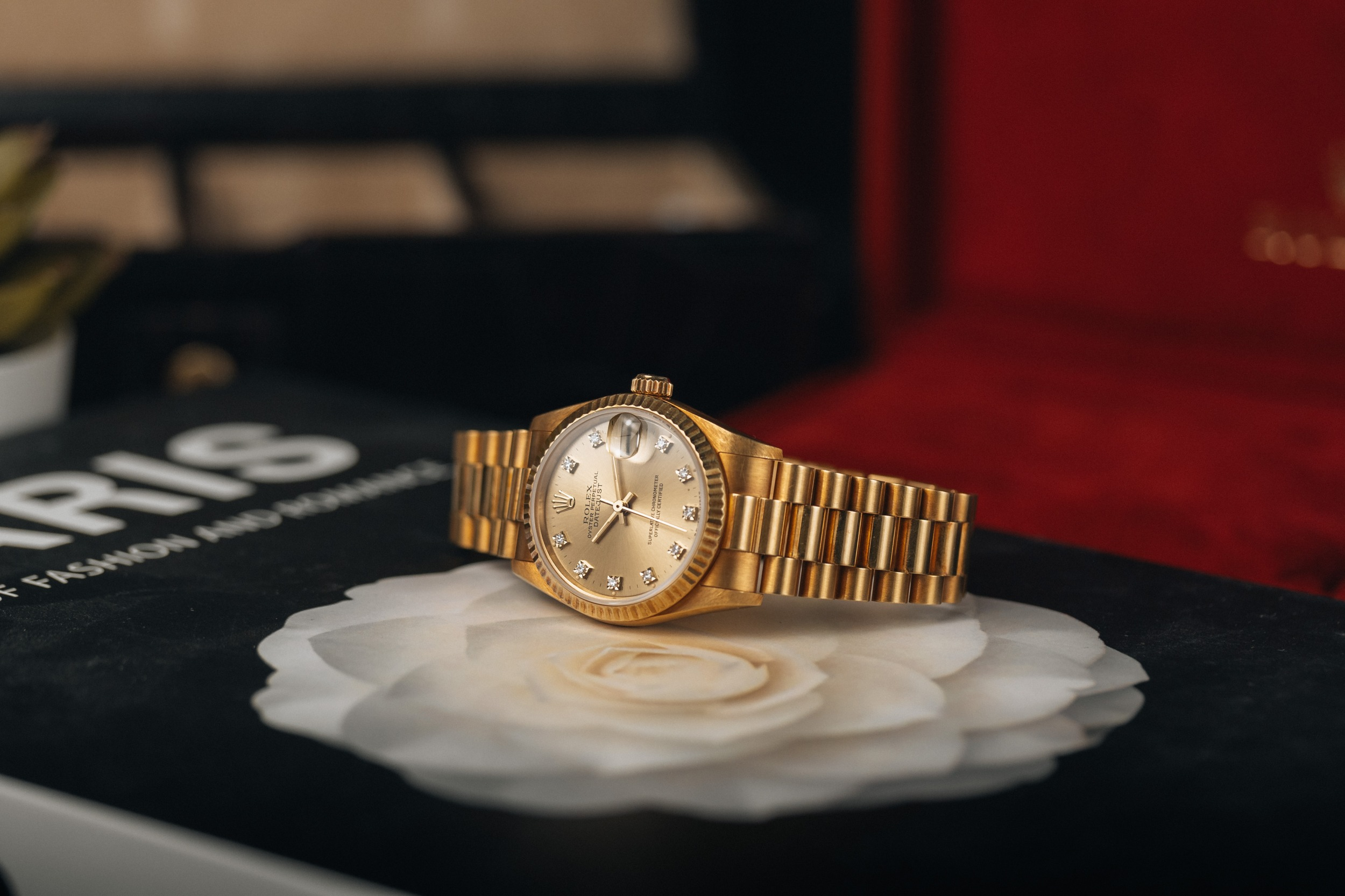
In an era dominated by trends, algorithms, and fast fashion, fine jewellery is moving in a different direction. Customers are becoming more intentional with what they buy, choosing pieces that feel personal, wearable, and built to last.
From sculptural gold forms to vintage-inspired designs and understated luxury, the market is shifting toward jewellery with permanence rather than novelty. Industry analysts and luxury publications are increasingly pointing toward “quiet luxury”, craftsmanship, and heirloom-quality design as defining themes across modern jewellery.
Jewellery Is Becoming More Personal
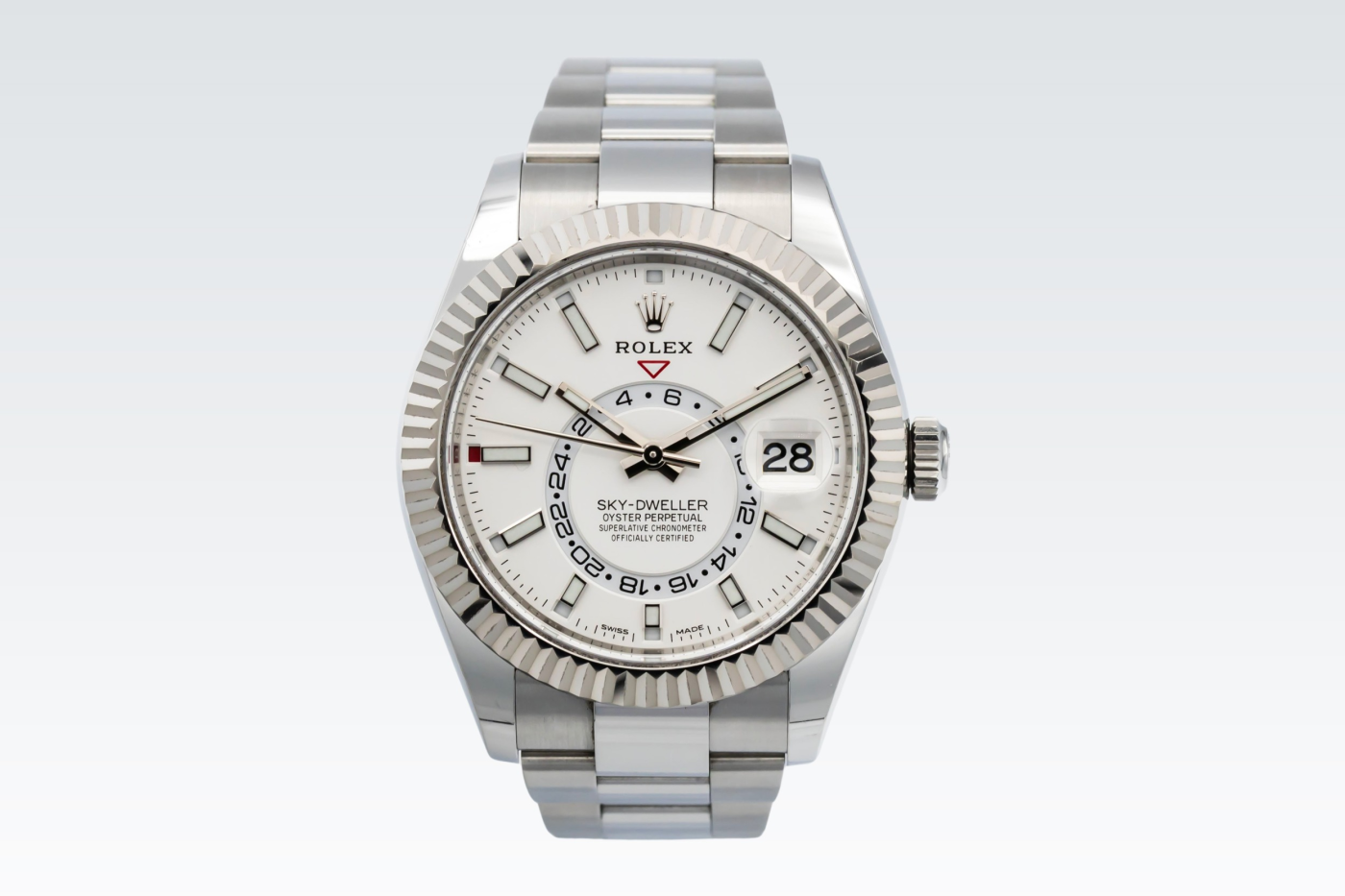
Today’s buyers are no longer reserving fine jewellery purely for milestone occasions. Instead, jewellery has become part of everyday expression — layered into daily wardrobes, worn casually, and selected for emotional meaning as much as visual impact.
Consumers are gravitating toward:
- Pieces with symbolism or sentimental value
- Timeless silhouettes over trend-led designs
- Vintage and pre-owned jewellery with character
- High-quality craftsmanship and longevity
- Fewer, better pieces rather than excessive accumulation
This movement toward intentional purchasing is also helping drive renewed interest in vintage jewellery and heirloom-style collections. Buyers increasingly value provenance, rarity, and individuality over mass-produced luxury.
The Rise of Quiet Luxury
Minimalism in fashion has had a direct impact on jewellery styling. Instead of heavily layered looks, many collectors are now opting for one strong piece that can define an outfit on its own.
Bold cuffs, sculptural necklaces, soft organic forms, and refined gold pieces are becoming key staples within contemporary luxury jewellery. Publications such as Vogue have highlighted a move toward “fewer, more substantial pieces” with architectural and sculptural qualities.
At the same time, understated luxury continues to dominate:
- Clean silhouettes
- Soft textures
- Neutral metals
- Everyday wearability
- Investment-minded purchasing
The result is jewellery that feels elevated without appearing excessive.
Craftsmanship Matters Again

As AI-generated design and mass manufacturing continue to expand, handmade craftsmanship is becoming more valuable than ever.
Luxury buyers are placing increasing importance on:
- Ethical sourcing
- Hand-finished production
- Specialist workshops
- Heritage techniques
- Transparency in manufacturing
Events such as London Craft Week continue to showcase growing interest in artisanal production and traditional making techniques within the luxury sector.
This renewed appreciation for craftsmanship is also influencing how jewellery businesses operate behind the scenes. Retailers are investing more heavily in inventory systems, product data management, photography workflows, and omnichannel selling experiences that properly support luxury products online.
Where Technology Fits Into Modern Jewellery Retail
Luxury retail is no longer purely physical. Customers now expect:
- Detailed product specifications
- Instant online availability
- High-quality imagery
- Marketplace integration
- Seamless communication across platforms
This is where systems like StockBox are helping modern jewellery retailers evolve.
| By combining inventory management, ecommerce publishing, repair workflows, customer management, and marketplace integrations into one system, retailers can spend less time managing disconnected processes and more time focusing on product, service, and customer experience. | In a market increasingly driven by trust, presentation, and operational efficiency, technology is becoming just as important as display cabinets and showroom design. |
The Future of Luxury Jewellery
The future of jewellery appears to be less about excess and more about permanence.
Customers are investing more thoughtfully. They want jewellery that:
- Holds emotional value
- Feels authentic
- Can be worn for years
- Reflects personal identity
- Balances craftsmanship with modern wearability
While trends will always evolve, timeless design, quality materials, and meaningful ownership continue to remain at the centre of luxury jewellery.
And in many ways, that is exactly what makes fine jewellery timeless in the first place.